If multiple dental concerns are affecting your smile, full mouth reconstruction can restore comfort, function, and confidence.

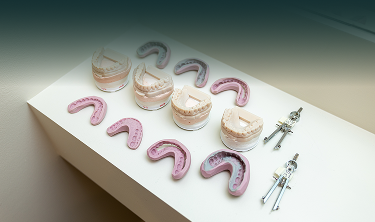

A Full Mouth Reconstruction (FMR), also called Full Mouth Rehabilitation or Full Mouth Restoration, is a comprehensive approach to restoring the health, function, and aesthetics of your entire mouth.
It combines restorative and cosmetic dentistry procedures to treat damaged, decayed, misaligned, or missing teeth, and improve overall oral health.

FMR is suitable for patients with:
A Full Mouth Reconstruction may include several restorative and cosmetic dental treatments depending on your needs.
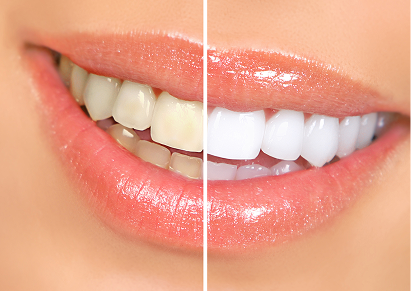
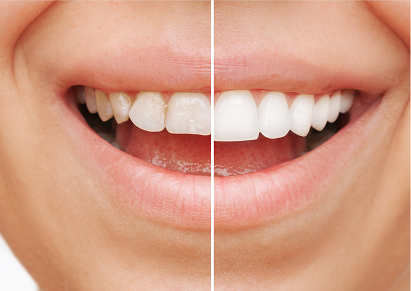
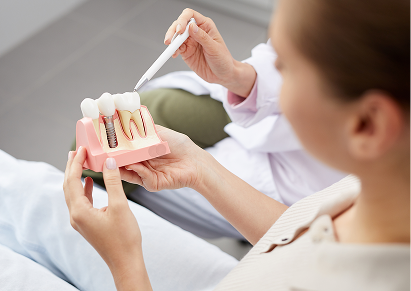
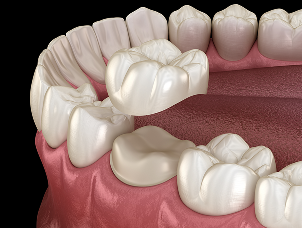
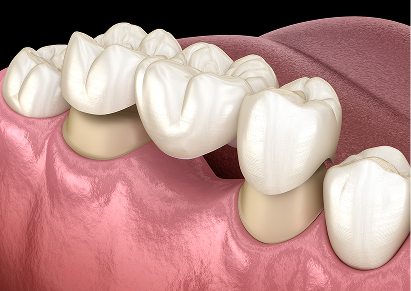
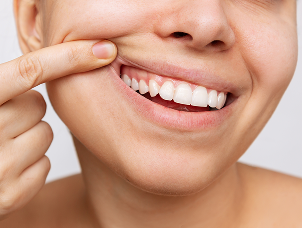


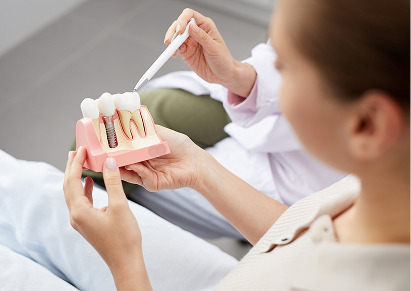
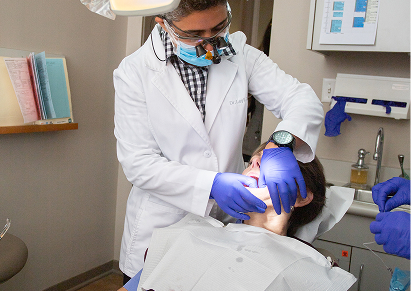
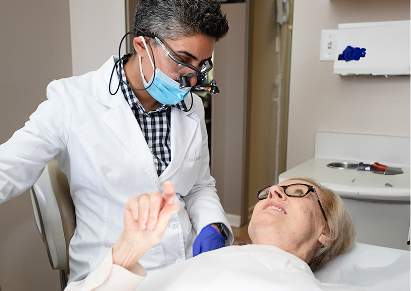
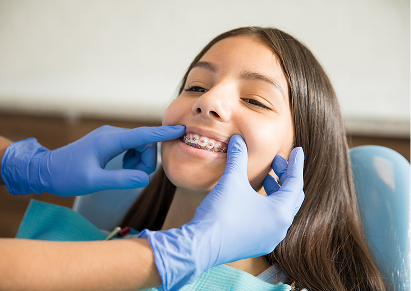

*The before and after images above are provided for reference purposes only. They are not intended to represent any guaranteed results or work.
Full Mouth Reconstruction (FMR) can address a variety of dental issues. Tooth loss from trauma or decay, misaligned bites (underbite, overbite, crossbite), TMJ disorders, or damaged teeth from injury can all affect your oral health and daily comfort. FMR may offer a comprehensive solution.
Benefits of Full Mouth Reconstruction:
A Full Mouth Reconstruction (FMR) may involve major procedures, so several factors are considered before treatment, including oral health, medical and dental history, age, treatment goals, and current oral issues.
Preparation starts with a consultation with an experienced dentist. They will examine your bite, gums, jaws, and teeth, often using X-rays. You will discuss your expectations and how you want your smile to look after treatment. Based on this assessment, the dentist will draft a personalized treatment plan. Step-by-step procedures can be explained in writing if needed.
If you have periodontal disease or bone issues, these are treated first to ensure a strong foundation for your new teeth.
Full Mouth Reconstruction is not a one-size-fits-all procedure. Each plan is individualized to meet your unique needs and achieve an attractive, pain-free smile. Addressing your concerns beforehand helps ensure a smooth procedure and the best possible results.
FMR consists of multiple procedures tailored to your oral health and goals. Your treatment plan may include:
Patients with oral cancer may require specialized reconstruction to restore oral structures in addition to missing teeth.
Implants may require months to heal, while dentures take only a few weeks. Completion time depends on your treatment goals and underlying oral health.
A careful reconstruction should not be rushed. At My Dentist San Francisco, our experienced dentists take the time to understand your goals, explain treatment options, and provide premium care in a comfortable, supportive environment.
Full Mouth Reconstruction (FMR) can be challenging, but following your dentist’s guidelines helps you enjoy your new smile.
What is a Dental Bridges?
A dental bridge restores a missing tooth by bridging the gap between two healthy teeth. The adjacent teeth serve as anchors, unless the bridge is implant-supported.
Types of Bridges:
What Are Dental Crowns?
Crowns are tooth-shaped caps placed over damaged or decayed teeth to restore function and appearance.
Types of Crowns:
FMR restores function and appearance of a few or all teeth. Every plan is unique, depending on oral health, goals, and procedures involved.
Key Considerations Before FMR:
1. Define the Cause
2. Determine Need vs. Desire
FMR is time-consuming, costly, and partly irreversible. Sometimes, veneers, crowns, or whitening can achieve goals with less cost and recovery.
3. Check Oral Health
4. Budget
FMR can cost $30,000–$90,000 depending on the treatment plan. The cost is fully dependent on what you need and can be discussed in detail after your consult appointment. There are ways to work with your budget and our treatment plan coordinator is an expert on this topic.
Teeth straightening aligns crooked or mispositioned teeth using gentle, gradual pressure. It improves dental health, enhances your smile, and helps correct bite issues such as underbite, overbite, or crossbite.
Misaligned teeth can make eating, chewing, and speaking difficult. They may also affect breathing and increase the risk of tooth decay or gum recession.
Invisible aligners are custom-made, clear trays worn over the teeth, similar to a mouth guard. They are popular with teens and adults because they are nearly invisible and removable. Unlike braces, they allow you to eat and drink normally after removing them, but they require consistent cleaning. Invisible aligners work by applying gentle pressure to gradually move teeth into position. A widely known option is Invisalign®.
How to choose the right teeth straightening method
Here is a comparison of common options:
Metal braces
Pros:
Cons:
Invisible aligners Pros:
Cons:
Digital tools like CAD (Computer-Aided Design) and CAM (Computer-Aided Manufacturing) have expanded dentistry from diagnostics to treatment. While traditional and digital methods are both used, a fully digital FMR workflow can be costly and complex.
Key Applications:
Digital technology improves accuracy, reduces errors, and helps patients achieve aesthetically and functionally superior results.
Damaged or decayed teeth can make keeping the mouth clean difficult, which increases the risk of infections.
Crooked or overlapping teeth can trap food, cause plaque buildup, and make it hard to clean areas that a toothbrush or floss can’t reach. This can lead to gum disease and other oral infections.
Full Mouth Reconstruction can help manage gum disease and support overall health. Studies show that gum disease is linked to serious conditions such as diabetes, pneumonia, and heart disease. In fact, people with gum disease are about three times more likely to experience heart-related problems.
Full Mouth Reconstruction can help rebuild your teeth, improve function, and bring back your confidence. Book a consultation today!