A globally trusted, science-backed solution designed to replace missing teeth with long-term strength, precision, and natural aesthetics.



Straumann is one of the most trusted dental implant systems worldwide, known for precision, innovation, and long-term clinical success.

Your dentist evaluates your oral health using X-rays and clinical assessment to determine the best treatment approach.
The implant is placed into the jawbone under local anesthesia. A temporary restoration may be used in some cases.
The implant naturally integrates with the bone over several weeks to months through osseointegration.
A custom crown, bridge, or prosthesis is designed to match your natural teeth.
The final restoration is attached, restoring full function, comfort, and aesthetics.

While conventional treatments may seem more affordable upfront, dental implants are often more cost-effective in the long term. Costs vary based on the number of implants, bone augmentation needs, and associated lab and surgical fees. A personalized treatment plan is created after a full evaluation.
In many cases, single-tooth implants become more economical over time compared to traditional bridges, with lower long-term maintenance and improved durability. Dental implants also offer strong outcomes in oral health and quality of life, especially for multiple-tooth replacement cases.
Dental implant therapy is not an experimental approach; it is a well-proven, state-of-the-art dental technique that has been scientifically tested and used to replace natural teeth for decades by dentists and surgeons worldwide.
Depending on the condition of each patient, potential risk factors may vary. Poor oral hygiene or limited healing of the wound due to pre-existing medical conditions (e.g., diabetes, osteoporosis) may reduce the odds of the implant remaining in place.
Since every surgical procedure carries potential risks, your dentist will evaluate whether dental implants are the option for you.
Dental implants are generally inserted under local anesthetic to help minimize discomfort. If you experience any concerns about the condition of the implant site after the procedure, please make sure to consult with your dentist.
According to a survey carried out with 10,000 patients in Germany (Riegl Survey 6), 67% of those questioned rated their satisfaction with their implant-supported restorations as “very good” and 31% as “good.” Of patients with conventional restorations, only 42% indicated their level of satisfaction as “very good” and 45% as “good.”
It is possible to place dental implants as soon as the jaw has stopped growing. Therefore, in young patients dental implants can only be placed once their jaw bones are fully developed. At the other end of the spectrum, there is no age limit, given of course that the patient does not display any significant medical risk factors. This will be evaluated by the dentist.
After placement of your dental implant, the bonding process (osseointegration) takes between three to four weeks and a few months, depending on your individual situation.
In this time, the implant reaches the stability needed for it to bear weight like a natural tooth. As always, healing times can vary depending on the individual condition and indication, and your dentist can review your expected healing time.
Straumann has been researching, developing and manufacturing reliable, high-quality dental implants since 1974, and to date has sold over 14 million implants worldwide. Together with Swiss precision engineering and clinical excellence, the Straumann Dental Implant System has earned worldwide trust, and is one of the best documented systems with more than 35 years of extensive scientific, clinical evidence and supported by more than 700 scientific publications.
According to the PUBMED database query “Straumann Dental Implant OR ITI dental implant”, 733 results as per 6th of October 2014—with the first entry being “Schroeder A. et al.: The accumulation of osteocementum around a dental implant under physical loading, 1978.”
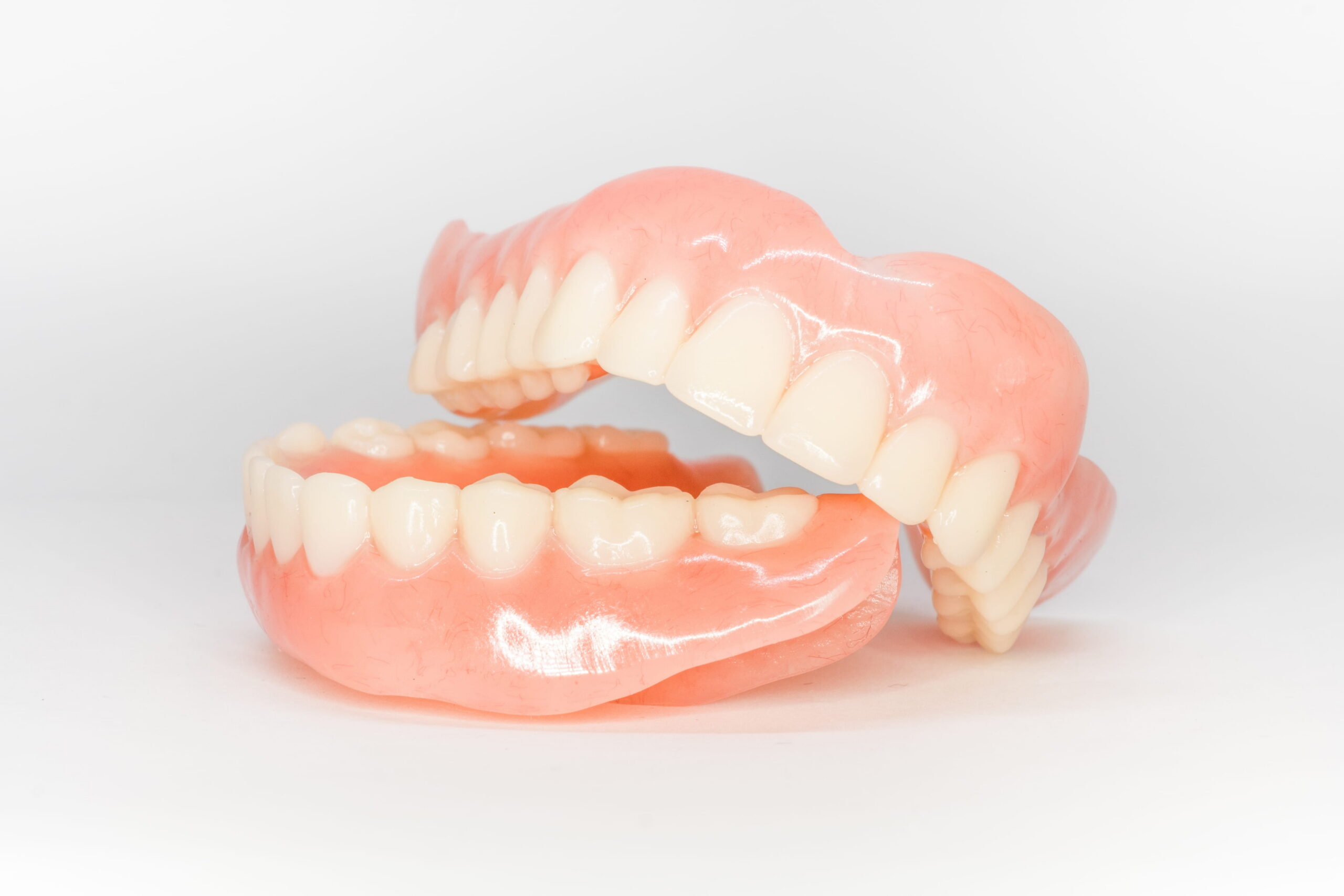
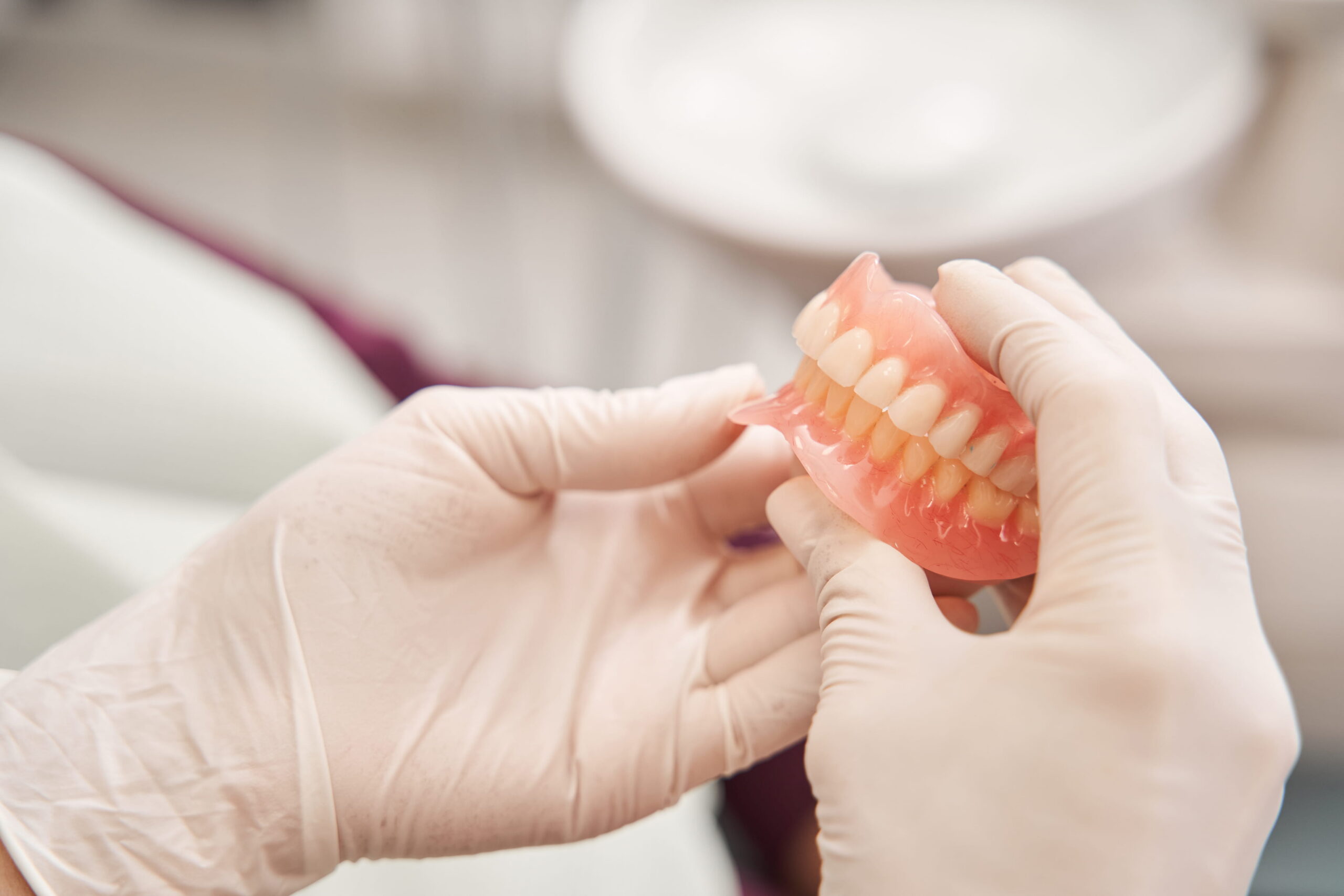
If traditional dentures feel uncomfortable or unstable, implant-supported dentures may be the solution for you. Restore confidence in your smile, speech, and comfort.