At My Dentist San Francisco, Dr. Shirvani provides custom oral appliance therapy for appropriate patients with obstructive sleep apnea and chronic snoring.

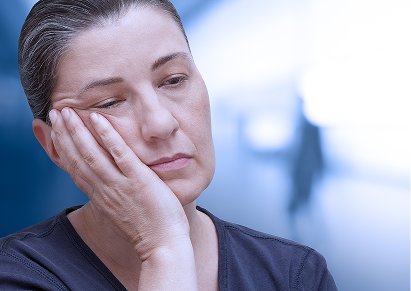
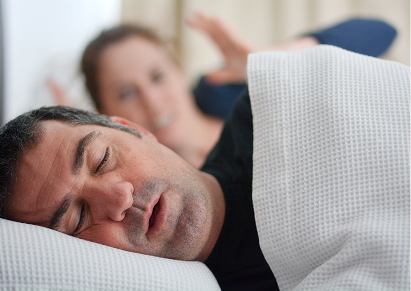
Sleep apnea can disrupt your sleep even if you don’t remember waking during the night. Talk to a healthcare provider if you regularly experience:
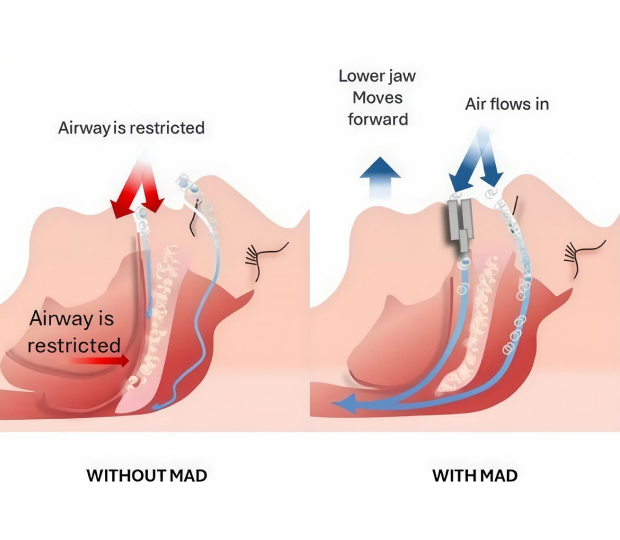
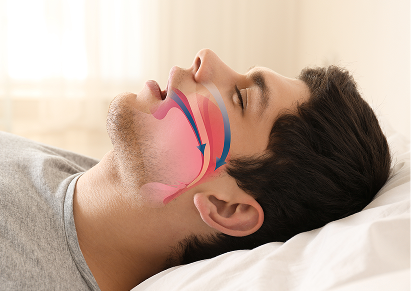
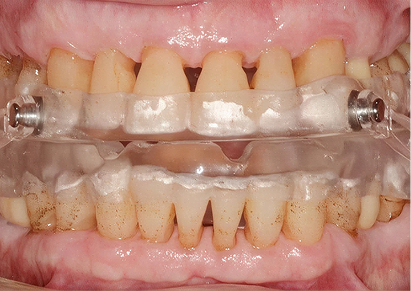
For appropriate patients with obstructive sleep apnea, a custom mandibular advancement device (MAD) can help keep the airway open while you sleep. The appliance gently positions the lower jaw forward, moving the tongue forward and creating more room for air to pass through the throat.
Small, quiet, portable, and easy to travel with, oral appliances are often well tolerated and may be an option for patients with mild to moderate OSA or those who cannot tolerate CPAP.


The first step is confirming obstructive sleep apnea through a sleep study and diagnosis from a physician. Testing may take place overnight in a sleep laboratory or, for many patients with suspected OSA, at home.
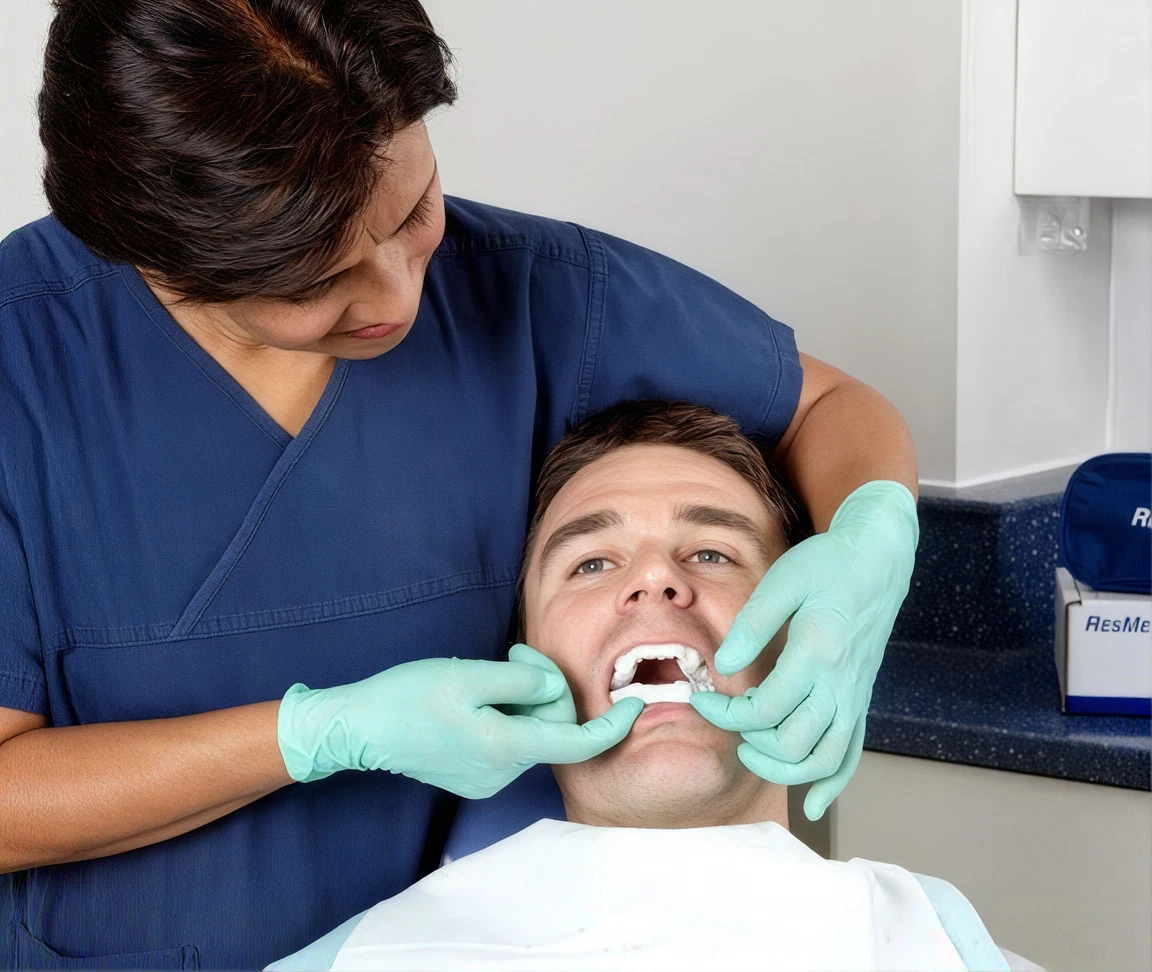
Once diagnosed, Dr. Shirvani evaluates your teeth, periodontal health, jaw mobility, and other factors to determine whether a mandibular advancement device may be appropriate for you.
Digital scans or impressions are taken to create an oral appliance specifically for your mouth, providing a customized fit for treatment.
Once your appliance is ready, Dr. Shirvani gradually adjusts the amount of mandibular advancement to find an appropriate balance between comfort and effectiveness.
Regular follow-up helps monitor your oral health and manage potential dental side effects. A follow-up sleep study may also be recommended while wearing the appliance to confirm treatment effectiveness.

A healthcare provider will typically review your symptoms and medical history and may recommend a sleep study. Overnight polysomnography provides comprehensive testing, while a home sleep apnea test may be appropriate for many people with suspected obstructive sleep apnea. A physician should diagnose OSA based on the results of a sleep study.
Oral appliance therapy works best for patients with mild to moderate obstructive sleep apnea and may also be considered for patients with severe OSA who cannot tolerate CPAP. Patients generally need good periodontal health, an adequate number of healthy teeth, and sufficient jaw mobility.
A mandibular advancement device gently holds your lower jaw forward while you sleep. Because the tongue is attached to the lower jaw, this also moves the tongue forward, tightens surrounding soft tissues, and increases the space behind the tongue to help reduce airway collapse.
For some patients, yes. CPAP is generally more effective at eliminating apneas, particularly with severe OSA, but many patients find oral appliances easier to wear. The right option depends on your diagnosis, severity, anatomy, and individual needs.
Possible temporary side effects include tooth soreness, jaw discomfort, increased salivation or dry mouth, gum irritation, and morning bite changes. Long-term use can cause bite changes or small tooth movements, which is why regular follow-up with your treating dentist is important.
According to the information provided by Dr. Shirvani, most medical insurance plans pay a portion of sleep appliance therapy. Coverage varies by insurance plan, so our team can help you understand the information needed for your specific coverage.
If you’ve been diagnosed with obstructive sleep apnea or are struggling with chronic snoring, talk to our team about whether custom oral appliance therapy may be right for you.